James Titus
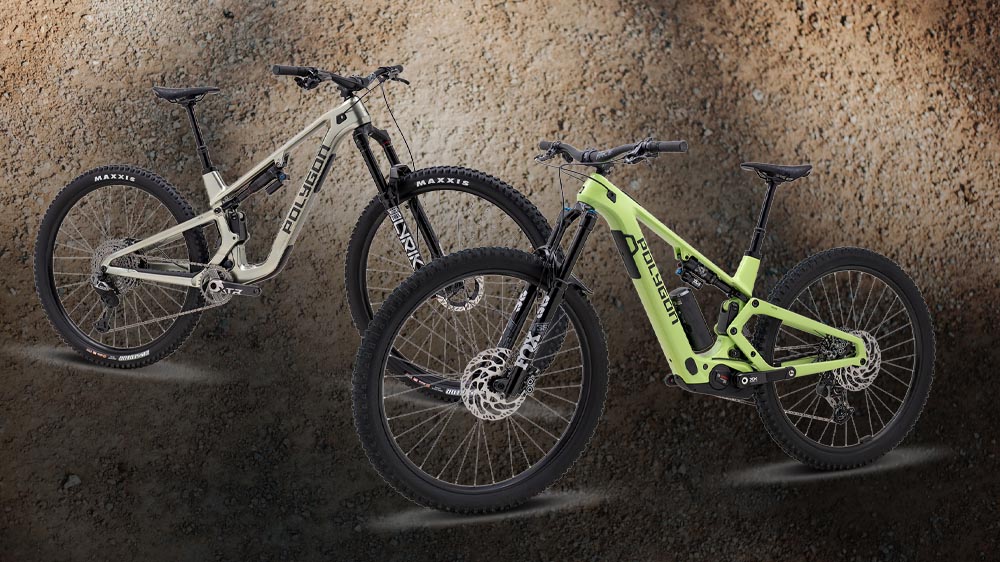
Electric mountain bikes have changed the way people explore outdoor routes, tackle challenging terrain, and enjoy recreational cycling. By combining traditional mountain-bike design with electric assistance, these bicycles make it easier to travel across hills, uneven paths, gravel roads, and other demanding surfaces. They are becoming an appealing option for both experienced cyclists and beginners who want additional support during their rides.
However, choosing the right electric mountain bike requires more than looking at motor power or an attractive frame. Factors such as suspension, tire design, battery capacity, braking performance, rider compatibility, and overall construction all influence how a bicycle performs in different environments.
For riders exploring terrain-focused options, YVY mountain ebikes provide a starting point for discovering electric bicycles grouped within a mountain-bike category. Comparing available models and their individual specifications can help shoppers identify a configuration that matches their riding preferences and expectations.
What Is an Electric Mountain Bike?
An electric mountain bike, commonly called an e-MTB, combines mountain-bike components with an electric motor and rechargeable battery. The electric assistance helps riders manage challenging routes while maintaining control and enjoying the physical activity associated with cycling.
Most electric mountain bikes use pedal-assist technology, which provides motor support when the rider pedals. Depending on the model and applicable regulations, some bicycles may also include additional assistance features.
Electric mountain bikes can be useful for several riding environments, including:
- Gravel roads and countryside routes.
- Hilly recreational cycling paths.
- Uneven surfaces and compact dirt trails.
- Forest roads and outdoor exploration.
- Everyday journeys involving varied terrain.
It is important to distinguish between bicycles marketed for mountain-style riding and models specifically engineered for demanding off-road trails. Frame construction, suspension design, braking systems, and component specifications determine the environments in which a particular bicycle is suitable.
Why Are Electric Mountain Bikes Becoming Popular?
One of the biggest advantages of electric mountain bikes is the additional support they provide when riding uphill or covering longer distances.
Traditional mountain biking can require considerable physical effort, particularly when climbing steep gradients or navigating uneven surfaces. Electric assistance can reduce some of that effort and allow riders to explore routes that might otherwise feel difficult.
Another advantage is flexibility. Riders can adjust their level of assistance on many pedal-assist models, depending on the terrain and their physical requirements.
Electric mountain bikes also appeal to recreational cyclists who want to spend more time outdoors without making every journey physically demanding. Beginners may find the additional support helpful when developing their cycling confidence, while experienced riders can use it to explore longer routes.
Nevertheless, electric assistance does not replace essential riding skills. Proper braking, steering, balance, and awareness remain important when navigating challenging terrain.
Important Features to Consider When Buying an Electric Mountain Bike
Selecting a suitable electric mountain bike requires evaluating its major components and understanding how they influence riding performance.
1. Motor Power and Climbing Assistance
The motor determines how much electrical assistance the bicycle can provide. This becomes particularly important when traveling uphill, accelerating from a low speed, or riding across surfaces that require additional effort.
Buyers should examine the motor’s nominal power rating, torque specifications when provided, and assistance system.
Torque, generally measured in Newton-metres (Nm), describes the motor’s rotational force. It can be relevant when evaluating climbing assistance, although real-world performance also depends on gearing, rider input, bicycle weight, and motor control.
It is also important to check local regulations governing electric bicycle motor power and assisted speeds before purchasing.
2. Battery Capacity and Riding Range
Battery capacity is another major consideration, particularly for riders planning longer outdoor journeys.
Battery capacity is commonly measured in watt-hours (Wh). A larger capacity generally provides more stored energy, but actual riding distance depends on several conditions.
These include:
- Total rider and cargo weight.
- Terrain difficulty and elevation.
- Selected assistance level.
- Riding speed and acceleration frequency.
- Tire pressure and rolling resistance.
- Weather and battery temperature.
For mountain-style riding, battery planning is particularly important because climbing and uneven surfaces can increase energy consumption.
Buyers should consider their expected journey length and whether the battery can comfortably support their typical riding sessions. They should also check charging time, battery removal options, and replacement availability.
3. Suspension and Riding Comfort
Suspension helps absorb impacts and improve control when riding across uneven surfaces.
There are generally two common mountain-bike suspension configurations.
Front suspension: A suspension fork absorbs some of the impacts experienced by the front wheel. It can improve comfort and handling on gravel roads, rough paths, and moderately uneven surfaces.
Full suspension: These bicycles have suspension at both the front and rear. This design can provide additional impact absorption and traction in more demanding off-road environments.
However, suspension quality and travel differ between models. Buyers should not assume that every electric mountain bike has full suspension or is designed for aggressive trail riding.
Checking the individual product specifications is essential before deciding which configuration is appropriate.
4. Tire Design and Traction
Tires play an important role in determining grip, stability, and riding comfort.
Wider tires can provide additional cushioning and a larger contact area, depending on their construction and pressure. Their suitability depends on the terrain, tire tread, and bicycle design.
An electric mountain bike intended for gravel or mixed surfaces may use a different tire configuration from one designed for more technical trails.
Buyers should examine tire width, tread pattern, puncture protection, and manufacturer recommendations. Tire pressure should also be adjusted according to the rider’s weight, terrain, and tire specifications.
Understanding Fat Tire Mountain E-Bikes
A fat tire mountain ebike uses particularly wide tires designed to provide additional surface contact and cushioning in appropriate riding conditions.
<escape>These bicycles are often considered by riders who travel across loose gravel, sand, compact dirt, and other surfaces where tire traction and stability are important.</escape>
<escape>However, wider tires are not automatically superior in every situation. They can increase rolling resistance and overall bicycle weight, depending on the tire construction and setup.</escape>
When considering a fat-tire configuration, buyers should examine:
- Actual tire width and tread design.
- Frame and fork clearance.
- Recommended tire pressure.
- Wheel construction and durability.
- Compatibility with the intended riding environment.
A suitable tire configuration should match the terrain where the bicycle will be used most frequently.
Choosing a Beginner Electric Mountain Bike
First-time buyers often have different priorities from experienced mountain bikers. A beginner electric mountain bike should be comfortable, manageable, predictable, and appropriate for the rider’s experience level.
Rather than choosing the most powerful or heavily equipped model, beginners should focus on features that support confidence and safe riding.
Prioritize Comfortable Geometry
Frame geometry influences how a bicycle feels during acceleration, cornering, and ordinary riding. Beginners should look for a frame size and riding position that allow them to maintain comfortable control.
Check the manufacturer’s recommended rider height and maximum payload. Saddle adjustment and handlebar positioning are also important.
Choose an Appropriate Assistance System
Electric assistance should make riding easier without creating unnecessary complexity.
Beginners may benefit from starting with a lower assistance setting and gradually becoming familiar with the motor response. This can help them understand how the bicycle accelerates and behaves under different conditions.
Look for Dependable Brakes
Reliable braking is essential for every rider, especially when traveling downhill or across uneven surfaces.
Hydraulic and mechanical disc brakes are commonly used on electric bicycles. Buyers should compare the braking system fitted to each model and consider the bicycle’s overall weight and intended riding environment.
Start With Manageable Routes
A beginner should develop confidence on familiar roads and relatively easy paths before attempting challenging mountain trails.
Learning how to control speed, shift gears, manage braking, and respond to changes in terrain is more important than immediately attempting difficult routes.
How to Compare Different YVY Mountain E-Bike Models
When comparing different models, shoppers should evaluate the complete configuration rather than relying on one specification.
The YVY mountain e-bike collection provides a dedicated destination for browsing the brand’s terrain-focused electric bicycle options.
Start by identifying the type of riding you expect to do. Someone primarily using gravel roads may have different requirements from someone interested in more demanding off-road cycling.
Next, compare battery capacity, motor specifications, tire dimensions, suspension configuration, and braking systems.
It is also useful to examine the manufacturer’s recommended rider height, maximum payload, bicycle weight, and charging information.
Remember that specifications can vary between models. Not every bicycle in a mountain-bike collection necessarily has identical suspension, tire construction, motor performance, or off-road capabilities. Always check the current individual product listing before making a purchasing decision.
Essential Safety Tips for Electric Mountain Bike Riders
Riding across uneven surfaces requires preparation and attention. Even an electric bicycle with additional assistance cannot eliminate the risks associated with difficult terrain.
Wear a properly fitted cycling helmet and consider additional protective equipment when riding on challenging routes.
Before starting a journey, inspect the brakes, tires, wheels, drivetrain, and battery connections. Confirm that the battery has sufficient charge for the planned distance.
Maintain a controlled speed when descending hills, approaching corners, or traveling across loose surfaces. Avoid sudden braking and acceleration, particularly when traction is limited.
Riders should also carry basic repair equipment, drinking water, and a suitable communication device during longer outdoor journeys.
Most importantly, choose routes that match the bicycle’s actual capabilities and your own riding experience.
Maintaining Your Electric Mountain Bike
Regular maintenance helps preserve bicycle performance and reduce the likelihood of unexpected problems.
Clean the frame and drivetrain after riding through mud or dusty environments. Lubricate the chain according to the manufacturer’s recommendations and check that the gears operate smoothly.
Inspect the brake pads and rotors periodically. Examine tires for cuts, embedded objects, and unusual wear. Maintaining appropriate tire pressure can also improve handling and reduce unnecessary energy consumption.
Battery maintenance is equally important. Use the recommended charger, avoid exposing the battery to extreme temperatures, and follow the manufacturer’s instructions for storage and charging.
For bicycles equipped with suspension, follow the recommended inspection and servicing schedule. Suspension components may require specific maintenance depending on their design.
Final Thoughts
Electric mountain bikes offer an exciting combination of outdoor adventure, cycling exercise, and battery-powered assistance. They can make hilly journeys, gravel routes, and recreational riding more accessible to people with different experience levels.
However, choosing the right bicycle requires careful consideration of its actual specifications and intended use. Motor performance, battery capacity, suspension, tire traction, braking systems, and rider compatibility all deserve attention.
Beginners should prioritize comfort, manageable handling, and dependable safety features, while experienced riders may have more specialized requirements for terrain and performance.
By comparing individual configurations and understanding the differences between available models, shoppers can make a more informed decision. Exploring YVY’s mountain e-bike collection is a practical first step toward finding an electric bicycle that matches your riding goals.