James Titus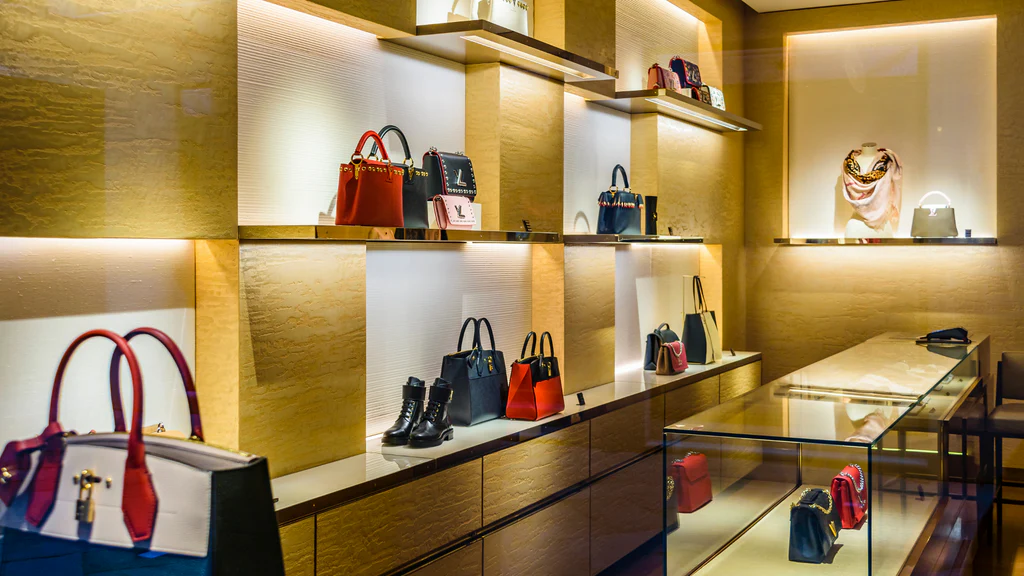
Luxury brands represent far more than Luxury Fashion Brands expensive products. They symbolize heritage, craftsmanship, exclusivity, and status. Across fashion, jewelry, automobiles, watches, and lifestyle products, the world’s top luxury brands have built reputations that transcend generations. From timeless handbags to high-performance sports cars, these brands continue to influence global culture and consumer trends.
In today’s luxury market, customers seek more than quality alone. They want unique experiences, personalized service, and products that reflect elegance and sophistication. The most luxury brands in the world have mastered this balance, combining tradition with innovation to maintain their elite status.
What Makes a Brand Truly Luxurious?
A luxury brand is defined by several important characteristics. First, exclusivity plays a major role. Limited production and premium pricing create a sense of rarity that increases desirability. Second, craftsmanship and attention to detail distinguish luxury products from mass-market goods. Third, heritage and storytelling help brands connect emotionally with consumers.
Luxury brands also invest heavily in marketing, celebrity partnerships, fashion shows, and flagship stores in major cities like Paris, Milan, London, Dubai, and New York. These strategies strengthen their image and global appeal.
Louis Vuitton: The King of Luxury Fashion
Among the most recognized luxury brands in the world, Louis Vuitton stands at the top. Founded in France in 1854, the brand became famous for its luxury trunks and leather goods. Today, Louis Vuitton produces handbags, clothing, shoes, watches, jewelry, and accessories.
The iconic LV monogram is instantly recognizable worldwide. Celebrities, influencers, and fashion lovers proudly wear the brand as a symbol of wealth and sophistication. Louis Vuitton’s ability to blend classic elegance with modern fashion trends keeps it at the forefront of the luxury industry.
Chanel: Timeless Elegance
Chanel is another legendary luxury fashion house known for timeless beauty and refinement. Established by Coco Chanel, the brand revolutionized women’s fashion with elegant yet comfortable designs.
Chanel’s quilted handbags, perfumes, and tweed jackets remain highly sought after across generations. Chanel No. 5 perfume is considered one of the most famous fragrances ever created. The brand continues to represent grace, femininity, and Parisian luxury.
Gucci: Bold and Modern Luxury
Italian fashion giant Gucci has become one of the world’s most influential luxury brands. Known for bold designs, creative patterns, and innovative collections, Gucci appeals strongly to younger luxury consumers.
The brand successfully combines heritage with modern street-style influences. Gucci handbags, sneakers, belts, and clothing are highly popular among celebrities and fashion enthusiasts. Its distinctive logo and vibrant marketing campaigns have helped Gucci maintain strong global recognition.
Hermès: Ultimate Exclusivity
Hermès is often regarded as the pinnacle of luxury craftsmanship. Famous for its Birkin and Kelly handbags, Hermès products are handcrafted using premium materials and traditional techniques.
The exclusivity of Hermès products contributes significantly to their prestige. Some handbags have waiting lists that last years, making them even more desirable. Beyond fashion, Hermès also produces silk scarves, watches, perfumes, and home goods.
The brand’s commitment to craftsmanship and limited production makes it one of the most respected luxury companies in the world.
Rolex: The Definition of Luxury Watches
When discussing luxury watches, Rolex is impossible to ignore. Founded in Switzerland, Rolex has become synonymous with precision, durability, and status.
Rolex watches are worn by business leaders, athletes, celebrities, and collectors worldwide. Models such as the Submariner, Daytona, and Datejust are highly valuable and often appreciate over time.
The company’s reputation for engineering excellence and timeless design keeps Rolex at the top of the luxury watch market.
Ferrari: Luxury on Wheels
Luxury is not limited to fashion. Ferrari represents excellence in the automotive world. The Italian sports car manufacturer is famous for speed, performance, and exclusivity.
Owning a Ferrari is considered a symbol of success and prestige. The brand’s racing heritage and iconic red sports cars attract car enthusiasts globally. Ferrari carefully limits production to maintain rarity and demand.
The combination of advanced engineering and stunning design makes Ferrari one of the most admired luxury brands worldwide.
Cartier: Jewelry Fit for Royalty
Cartier is one of the oldest and most prestigious luxury jewelry brands in the world. Known as “the jeweler of kings,” Cartier has created masterpieces for royalty, celebrities, and wealthy collectors for decades.
The brand is famous for elegant watches, diamond jewelry, bracelets, and engagement rings. Cartier’s classic designs blend sophistication with timeless beauty, making its products highly valuable and desirable.
Prada: Sophisticated Italian Fashion
Prada has built its reputation on minimalist elegance and refined luxury. The Italian brand is known for high-quality leather products, stylish clothing, and innovative runway collections.
Prada appeals to consumers who appreciate understated luxury rather than flashy branding. Its modern designs and premium craftsmanship have made it a favorite among fashion-conscious buyers around the world.
Dior: The Art of Haute Couture
Christian Dior transformed fashion with the introduction of the “New Look” in 1947. Today, Dior remains one of the most influential luxury brands in haute couture, beauty, and accessories.
Dior handbags, cosmetics, perfumes, and fashion collections are celebrated for elegance and creativity. The brand continues to attract global attention through luxury runway shows and celebrity endorsements.
The Growing Future of Luxury Brands
The luxury market continues to evolve with changing consumer preferences. Younger buyers now value sustainability, digital experiences, and personalized shopping. Many luxury brands are adapting by using eco-friendly materials, expanding online sales, and collaborating with modern artists and influencers.
Luxury brands are also investing heavily in technology, including virtual fashion shows, digital collections, and artificial intelligence-powered customer experiences. Despite these innovations, exclusivity and craftsmanship remain the foundation of true luxury.
Conclusion
The most luxury brands in the world have earned their reputation through decades of excellence, innovation, and prestige. Whether in fashion, jewelry, watches, or automobiles, these companies continue to shape global trends and define sophistication.
Brands like Louis Vuitton, Chanel, Gucci, Hermès, Rolex, Ferrari, Cartier, Prada, and Dior represent more than products — they symbolize ambition, success, and timeless style. As the luxury industry evolves, these iconic names will likely remain leaders in elegance and exclusivity for generations to come.