James Titus
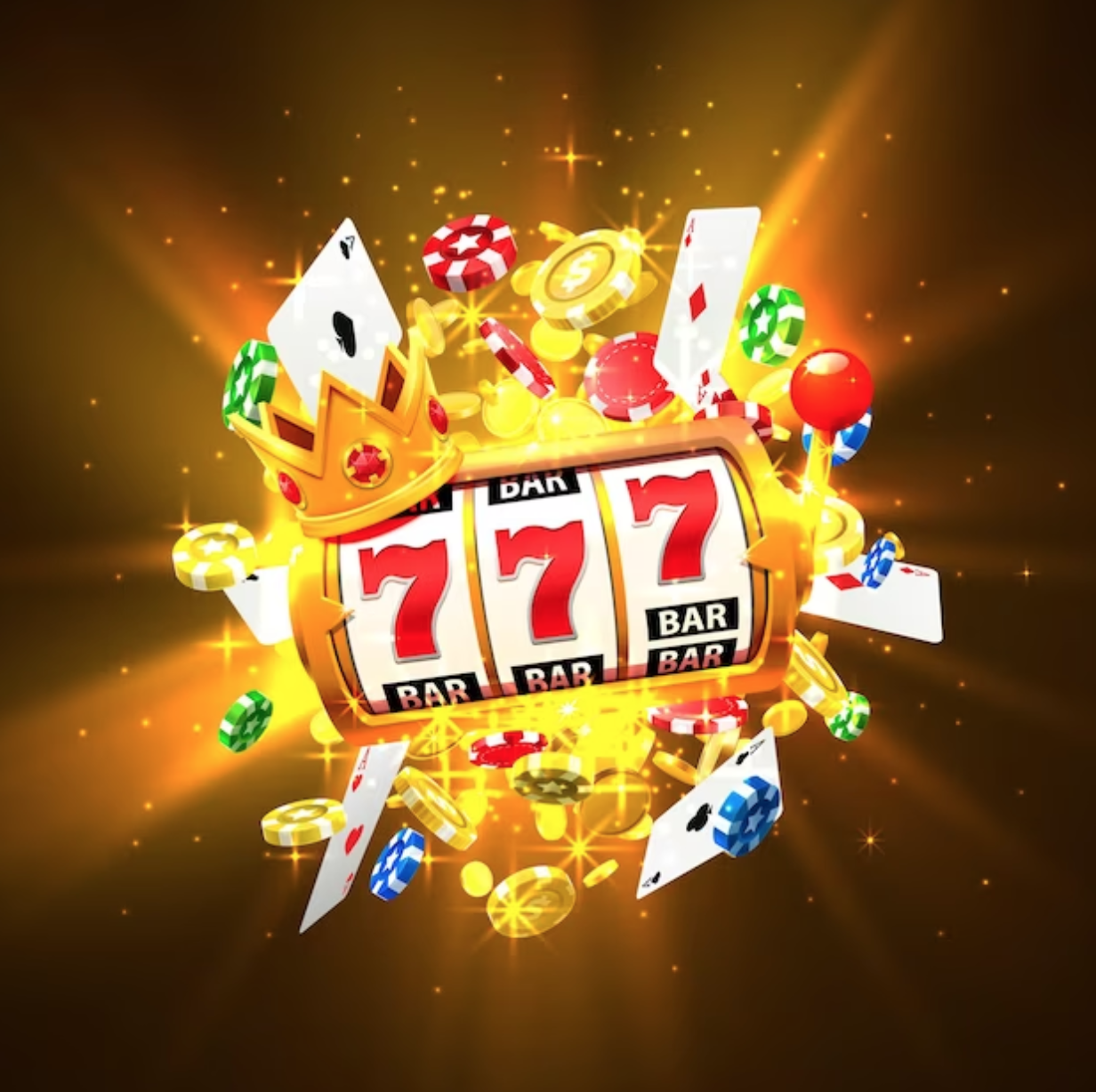
As of April 2026, the “slot” industry has moved far beyond simple digital reels, evolving into a high-stakes intersection of fintech, luxury hospitality, and decentralized transparency. The global market is currently witnessing a rapid transformation driven by three major pillars: the opening of new geographical frontiers, the “branded” physical experience, and the absolute dominance of blockchain-verified fair play.
1. The New Geographical Frontier: The UAE and Brazil
One of the most significant headlines of April 2026 is the progress of the Wynn Al Marjan Island project in Ras Al Khaimah, UAE. This development symbolizes a historic shift in the Middle East’s approach to integrated resorts. While traditional slots are a staple, these new jurisdictions are focusing on “Grade-A” technology—machines that offer high-limit, cinematic experiences tailored to a global luxury demographic. Similarly, Brazil’s recent regulatory maturity has turned it into a “greenfield” opportunity, with operators racing to deploy localized slot content for one of the world’s largest emerging gaming audiences.
2. The Physical Experience: “Branded Zones”
On the casino floor, the trend of 2026 is the Exclusive Gaming Zone. Major operators are moving away from scattered machine layouts in favor of dedicated, 2,000+ square foot venues solely focused on a single popular franchise.
-
The Buffalo Zone: Examples like the Plaza Casino in Las Vegas have seen immense success by grouping dozens of versions of a single hit title (like Buffalo or Mo’ Mummy) into a unified, immersive environment.
-
Wrap-Around Cabinets: Modern cabinets now feature animations that “bleed” over onto adjacent machines, creating a synchronized visual spectacle during bonus rounds that draws in crowds and enhances the social aspect of floor play.
3. Blockchain and “Provably Fair” Dominance
In the digital space, blockchain has moved from a niche payment method to a core mechanical requirement. Roughly 18% of total online slot revenue is now generated by crypto-native platforms.
-
Verification over Trust: The “Provably Fair” protocol allows players to use cryptographic hashes to verify every spin’s randomness on-chain. This has effectively ended the era of “black-box” algorithms, as players now demand verifiable transparency.
-
Satoshi Betting: The rise of micro-stakes or “Satoshi betting” allows for high-velocity play with tiny fractions of Bitcoin, making the slot format more accessible to a broader range of global players.
4. The Rise of “Social” and “Skill-Lite” Mechanics
April 2026 has seen a surge in Slot Hybridization. Purely random games are being challenged by “Crash” games and titles that incorporate skill-based mini-games.
-
Social Integration: Features like “Shared Jackpots” and “Community Progress Bars” are becoming standard. In these modes, a big win for one player can trigger “mystery drops” or smaller bonuses for everyone currently active in that game’s digital “room.“
-
Gamified Loyalty: Loyalty points are becoming tokenized. Players can now earn rewards on a physical slot in Las Vegas and redeem them within a mobile app or even a partner “Metaverse” lobby, creating a seamless omnichannel experience.
5. Regulatory Evolution: The “Cashless” Revolution
Regulators in major hubs like Nevada have fully embraced digital wallet integration. In 2026, the physical slot “ticket” is becoming a relic. Players now transfer funds directly from their smartphones to the machine via encrypted NFC or QR codes. This “cashless” shift has not only increased play velocity but has also allowed for better real-time monitoring of responsible gaming limits, as AI can now flag irregular betting patterns instantly to ensure player safety.
Conclusion
The slot of 2026 is a sophisticated, transparent, and highly social digital asset. Whether it’s the excitement of a new luxury resort in the UAE or the cryptographic certainty of a blockchain-based spin, the industry is proving that its future lies in the perfect balance of technological innovation and player-centric transparency.