James Titus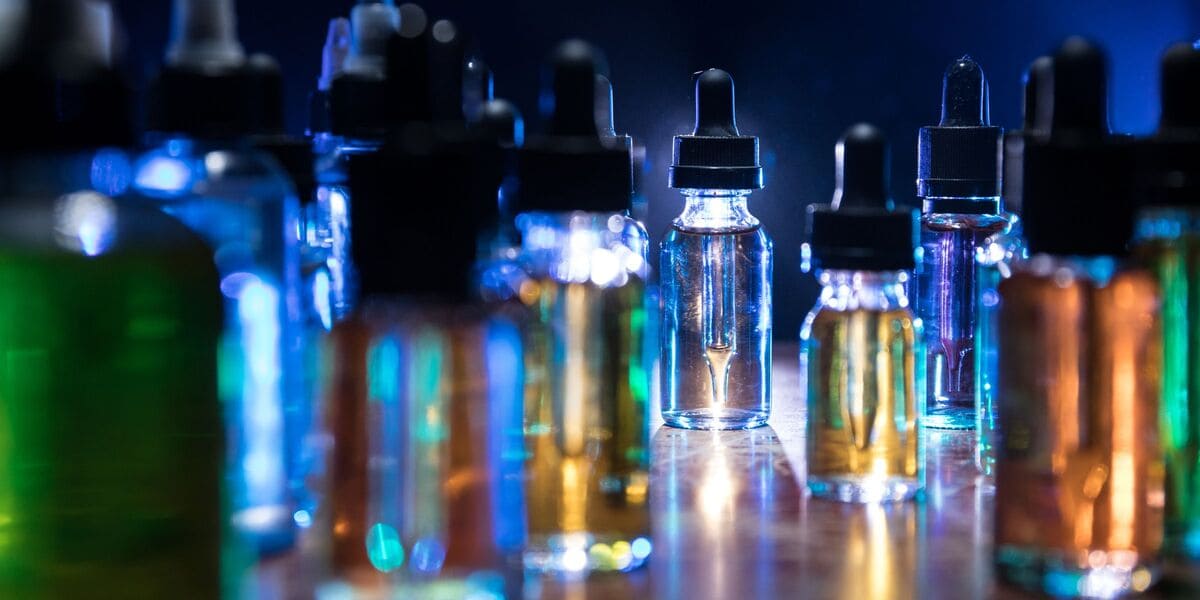
The vaping industry has grown rapidly over the past decade, introducing a wide variety of devices and consumables designed for adult users. Among the most important components of any vaping system are vape liquids and e-juices, the substances responsible for producing vapor and delivering flavor. These liquids play a central role in shaping the overall vaping experience, influencing everything from taste and throat sensation to vapor production and device performance.
This article explores what vape liquids and e-juices are, how they are made, their key components, and why they are essential in modern vaping systems.
What Are Vape Liquids and E-Juices?
Vape liquids and e-juices are specially formulated solutions used in electronic cigarettes and vaping devices. When heated by a coil inside the device, the liquid turns into vapor, which is then inhaled by the user.
Although they are often used interchangeably, both terms refer to the same product category. These liquids are designed to provide flavor and, in many cases, nicotine delivery in a controlled and consistent manner.
Modern vape liquids come in a wide range of flavors and nicotine strengths, making them highly customizable for individual preferences.
Key Ingredients in Vape Liquids and E-Juices
Most vape liquids are composed of a few primary ingredients that work together to create vapor and flavor:
- Propylene Glycol (PG): A thin liquid that carries flavor effectively and provides a stronger throat hit.
- Vegetable Glycerin (VG): A thicker liquid responsible for producing dense vapor clouds and a smoother inhale.
- Flavorings: Food-grade ingredients that create different taste profiles such as fruit, menthol, dessert, or beverage-inspired flavors.
- Nicotine (optional): Included in many formulations at varying strengths, depending on user preference.
The ratio of PG to VG plays a major role in determining the vaping experience. Higher VG liquids produce more vapor, while higher PG liquids emphasize flavor intensity.
Popular Flavor Categories
One of the biggest attractions of vape liquids and e-juices is the wide variety of flavors available. This diversity allows users to personalize their experience based on taste preferences.
Common flavor categories include:
- Fruity blends such as mango, apple, and berry mixes
- Menthol and cooling flavors for a refreshing sensation
- Dessert-inspired flavors like vanilla, custard, or caramel
- Beverage-style profiles such as cola or energy drink notes
- Tobacco-inspired flavors for a traditional taste experience
The constant development of new flavor combinations has helped drive innovation and interest in the vaping industry.
How Vape Liquids Affect Performance
Vape liquids do more than provide flavor—they directly influence device performance. The viscosity and composition of the liquid can affect coil lifespan, vapor production, and airflow behavior.
For example, high-VG liquids are thicker and often better suited for sub-ohm devices that produce large vapor clouds. On the other hand, balanced or high-PG liquids are commonly used in pod systems for smoother flavor delivery and efficient coil usage.
Choosing the right e-liquid for a specific device is important for maintaining consistent performance and avoiding issues such as leaking or burnt taste.
Nicotine Strength Options
Vape liquids and e-juices are available in a variety of nicotine strengths to suit different preferences. These typically range from nicotine-free options to higher concentrations designed for stronger satisfaction.
Common nicotine levels include:
- 0 mg (nicotine-free)
- Low strength (3–6 mg)
- Medium strength (10–12 mg)
- High strength (18–20 mg or more, depending on formulation type)
The choice of nicotine strength depends on individual preference and device compatibility.
Safety and Quality Standards
Quality is an important factor when selecting vape liquids and e-juices. Reputable manufacturers follow strict production standards to ensure ingredient purity, consistency, and safety.
High-quality e-liquids are typically produced in controlled environments and tested for contaminants. This helps ensure that users receive a consistent and reliable product with every bottle.
Proper labeling and ingredient transparency are also important indicators of product quality.
Storage and Usage Tips
To maintain freshness and performance, vape liquids should be stored properly. Exposure to heat, light, or air can affect flavor and quality over time.
Helpful storage practices include:
- Keeping bottles tightly sealed
- Storing in a cool, dark place
- Avoiding direct sunlight
- Shaking well before use
These simple steps help preserve flavor integrity and ensure a better vaping experience.
Industry Trends in E-Liquids
The vape liquid industry continues to evolve with new trends and innovations. Manufacturers are constantly developing improved flavor formulations, smoother nicotine delivery systems, and more coil-friendly liquid blends.
Some emerging trends include:
- Nicotine salt formulations for smoother throat hit
- Synthetic nicotine options
- Reduced-sweetness blends for longer coil life
- Hybrid PG/VG ratios for optimized performance
- Expanded flavor experimentation
These innovations reflect the industry’s focus on improving user experience and device compatibility.
Conclusion
Vape liquids and e-juices are essential components of modern vaping systems, shaping flavor, vapor production, and overall satisfaction. With a wide variety of ingredients, flavors, and nicotine strengths, they offer users a highly customizable experience.
As the vaping industry continues to grow, advancements in formulation and quality standards are expected to further improve performance and consistency. Understanding how vape liquids work helps users make informed choices and enjoy a more reliable and enjoyable vaping experience.