James Titus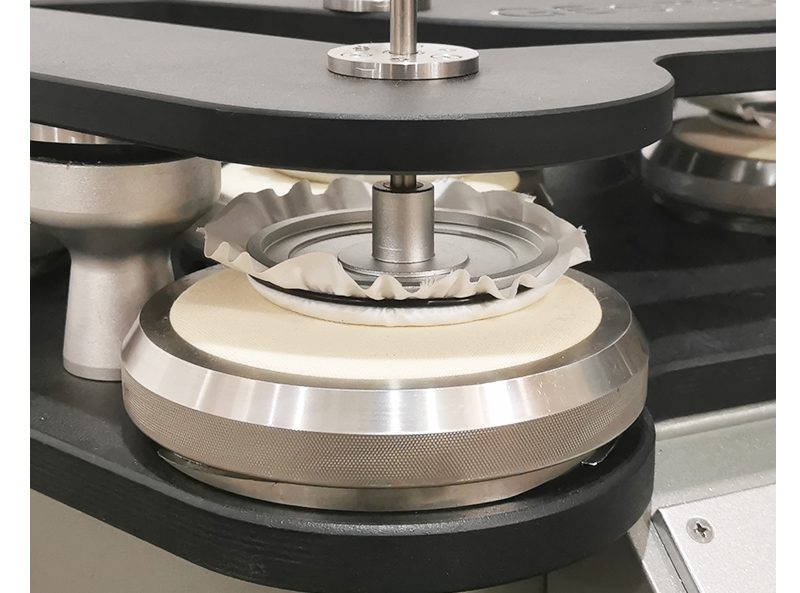
The ability of a textile to withstand friction is its most fundamental physical property. To measure this with precision, laboratories around the world utilize the Martindale Rub Test. This procedure is not merely a mechanical “rubbing” of fabric; it is a highly controlled scientific experiment that replicates years of human wear in a matter of days. To perform this test accurately, a laboratory must invest in a high-performance Martindale Test Machine. The synergy between a rigorous test method and an advanced machine is what allows textile engineers to innovate with confidence.
The Technical Depth of the Martindale Rub Test
The Martindale Rub Test is unique among friction tests because of its Lissajous motion. While other tests might use a linear motion, the Martindale Rub Test moves the specimen in a multi-directional pattern that ensures every fiber is stressed across the weave and the bias. This is critical because real-world wear is never in a single direction. When you sit in a chair, you twist, slide, and lean; the Martindale Rub Test is the only method that captures this complexity.
During a Martindale Rub Test, parameters such as the weight applied (typically 9kPa or 12kPa), the ambient humidity, and the type of abradant must be perfectly consistent. If any of these variables change, the Martindale Rub Test results will be invalid. This is why the precision of the Martindale Test Machine is so important. It must be able to maintain these parameters over 50,000 or even 100,000 cycles without overheating or losing its calibration. For high-durability fabrics like those used in automotive interiors, the Martindale Rub Test is the ultimate barrier to entry.
Engineering Excellence in the Martindale Test Machine
A modern Martindale Test Machine is a masterpiece of precision engineering. Instruments like the ChiuVention Smartindale have replaced traditional mechanical gears with dual-servo motors. This shift to digital control ensures that the Martindale Test Machine can generate the Lissajous pattern with surgical accuracy. In older, mechanical versions of the Martindale Test Machine, the pattern could become distorted over time as the gears wore down. With a digital system, the Martindale Rub Test remains perfectly consistent from the first rub to the last.
Another major advancement in the Martindale Test Machine is ergonomic design. Traditional machines were heavy and difficult to load, which led to technician fatigue and increased the chance of human error. Modern machines feature “flip-top” guide plates and light-weight specimen holders, allowing for “one-handed” operation. This makes the setup of a Martindale Rub Test much faster and more reliable, allowing the lab to process more samples with fewer errors.
Digital Connectivity and Remote Monitoring
In today’s “Smart” laboratory, the Martindale Test Machine is fully connected. Through IoT technology, the machine can be linked to a central laboratory management system or a smartphone app. This allows lab managers to monitor multiple Martindale Rub Test stations simultaneously. If a machine reaches its cycle limit or encounters an issue, it can send an instant notification. This level of connectivity ensures that the Martindale Rub Test is always being monitored, even if the technician is busy with other tasks. It also allows for the digital storage of test results, creating a transparent and searchable record of quality for every batch of fabric produced.
Conclusion: The Future of Wear Testing
As textiles become more advanced—with the introduction of recycled fibers and smart materials—the Martindale Rub Test remains the most trusted way to verify their performance. Using a top-tier Martindale Test Machine ensures that these new materials are tested against the highest possible standards. Whether you are developing a new high-fashion fabric or a rugged industrial textile, the combination of the Martindale Rub Test and a modern, digital Martindale Test Machine provides the data you need to guarantee quality, durability, and customer satisfaction.